How to Follow Up on a Job Application in 2025
Last updated on 29 December, 2025


Maciej Staszek TomaszewiczWriter, Professional Association of Resume Writers and Career Coaches (PARWCC)
Reviewed by Roma KończakEditor & Writer, Certified Professional Résumé Writers and Career Coaches (PARWCC)

Our customers have been hired by*:
After submitting your CV, the wait for a response can feel long and uncertain. Following up on your job application is a smart way to show enthusiasm, reaffirm your interest, and stay on the hiring manager’s radar. Timing, tone, and method are all key to making a positive impression.
In this guide, I’ll explain why following up matters, how to do it professionally, and when it’s appropriate. You’ll also find expert tips to help you follow up on a job application with confidence and increase your chances in a competitive job market.
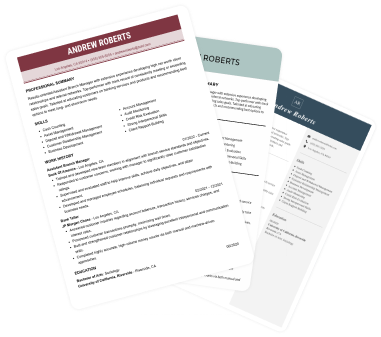
Create an effective CV in minutes. Choose a professional CV template and fill in every section of your CV in a flash using ready-made content and expert tips.

We created the sample on the left using our builder. See other good CV examples like this one.
See our other guides:
- How to Follow Up After a Job Interview
- How to Write a Recommendation Letter
- How to Write a Resignation Letter
- How to Prepare an Application Letter
Should you follow up after a job application?
Yes,following up after submitting a job application is more than a polite gesture. It’s a proactive approach that can strengthen your chances of moving forward. By reaching out, you show genuine interest in the role and demonstrate initiative, helping you stand out in a competitive field.
A well-timed follow-up keeps your application top of mind and shows qualities employers value, such as communication skills and professionalism. The hiring process take time, and without a gentle reminder, your application could be missed entirely.
Timing matters; if the job advert includes a response window, wait until that period ends. If no timeline is given, follow up on your job application after 10 to 14 days. And if you were promised an update by a specific date, give it a few extra days before getting in touch.
Reaching out too early can seem impatient, while waiting too long may signal a lack of interest. A timely, respectful follow-up shows that you’re serious about the role, and that can make a lasting impression.
How to follow up on a job application?
After an appropriate amount of time has passed, you should decide how to follow up. The choice of communication method depends on the company’s culture and the job listing, making selecting the most suitable option essential. It’s crucial to find a balance between persistence and courtesy. The goal is to follow up considerately, with timing and approach that demonstrate professionalism without seeming too eager or pushy.
Here’s an overview of different follow-up methods:
- Email. That’s the standard. In most cases, email is the most appropriate and professional method for following up. If the job posting didn’t specify how to get in touch, email is usually a safe and respectful way to contact.
- Phone Call. While phone calls can be effective in some situations, they should be used carefully. If the job posting provides a phone number and encourages candidates to reach out, then a brief phone call could be appropriate. However, keep it short and respectful. Calling during business hours is essential, and make sure you’re prepared with a concise message.
- LinkedIn Messages. It can be helpful, but only if you’ve previously connected with the hiring manager or the job posting explicitly suggests it. It’s also a good idea to have a personal connection on LinkedIn before sending a message, as unsolicited LinkedIn messages can sometimes seem out of place.
Let’s focus on how to create a follow-up email after a job application.
How to write a follow-up email after a job application in 5 steps
Your follow-up message is the key to making a good impression. Remember to keep it professional, clear, and concise. I’ll guide you through the essential components of a well-written follow-up email:
1. Write a clear subject line
The subject line is your first chance to make an impact. It should be clear, direct, and informative. Avoid vague subject lines that could confuse the recipient. A good example would be as simple as this:
Subject: Following Up: Marketing Coordinator Application – Priya Green
2. Use a proper greeting and introduce yourself
The opening of your email should be polite and professional. Always address the hiring manager by name if you know it. If you don’t have a specific name, “Dear Hiring Manager” is an appropriate and respectful alternative.
In the introduction, briefly remind them of the position you applied for and when you submitted your application.
Dear Ms Shaw,
I hope you’re well. I’m writing to follow up on my application for the Marketing Coordinator position, which I submitted on 1 July. I remain enthusiastic about the opportunity to join the team at Greenfield Media.
3. Reaffirm your interest and highlight key qualifications
In the email body, restate your enthusiasm for the role and the company. Use this opportunity to highlight one or two key skills or relevant experience that demonstrate your suitability for the position. Keep this section concise and avoid repeating your full CV.
With over three years of experience in digital marketing and a strong background in content strategy, I’m confident in my ability to contribute to your campaigns and support the company’s growth objectives.
4. Inquire about next steps
Politely ask for an update on the hiring process. You might ask about the next steps or ask for a timeline of when you can expect to hear back. Ensure that
I’d be grateful if you could share any updates regarding the hiring process or let me know if there’s anything further I can provide in support of my application.
5. Close politely and express gratitude
Finish your message by thanking the recipient for their time and consideration. This small gesture reinforces your professionalism and appreciation for the opportunity.
Thank you for your time and consideration. I look forward to contributing to your team and hope to hear from you soon.
Kind regards,
Priya Green
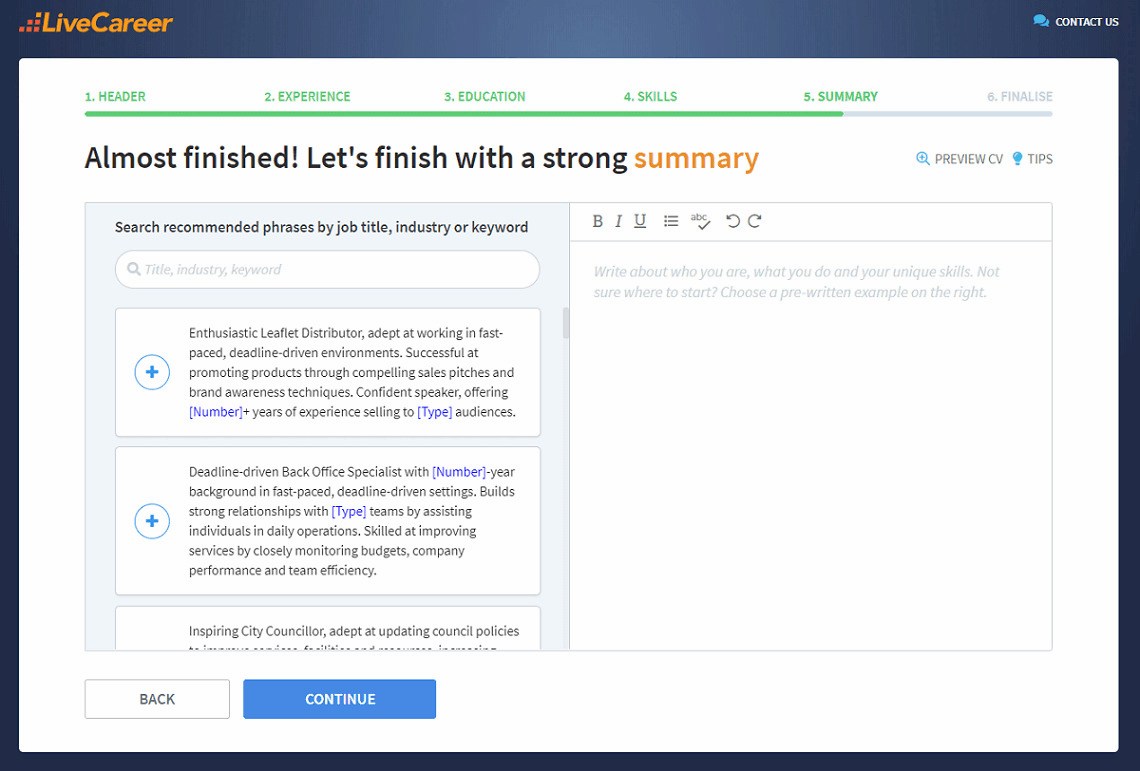
A strong CV summary will convince the recruiter you’re the perfect candidate. Save time and choose a ready-made personal statement written by career experts and adjust it to your needs in the LiveCareer CV builder.
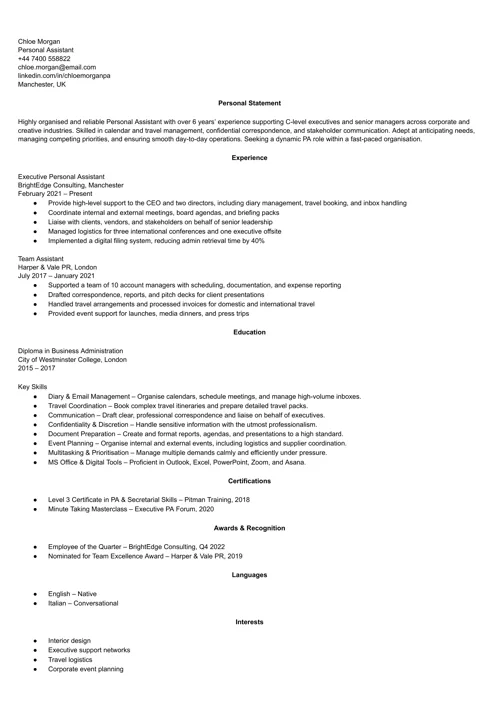
Now, let’s see what it looks like as a whole and the template it was built on:
Follow-up email example
Here’s a complete follow-up after a job application email example, as discussed above:
Subject: Following Up: Marketing Coordinator Application – Priya Green
Dear Ms Shaw,
I hope you’re well. I’m writing to follow up on my application for the Marketing Coordinator position, which I submitted on 1 July. I remain enthusiastic about the opportunity to join the team at Greenfield Media.
With over three years of experience in digital marketing and a strong background in content strategy, I’m confident in my ability to contribute to your campaigns and support the company’s growth objectives.
I’d be grateful if you could share any updates regarding the hiring process or let me know if there’s anything further I can provide in support of my application.
Thank you for your time and consideration. I look forward to contributing to your team and hope to hear from you soon.
Kind regards,
Priya Green
Follow-up email template
Here’s a ready-to-use template you can adjust to your needs:
Subject: Following Up: [Job Title] Application – [Your Name]
Dear [Hiring Manager’s Name],
I hope you’re well. I’m writing to follow up on my application for the [Job Title] position, which I submitted on [Application Date]. I remain enthusiastic about the opportunity to join the team at [Company Name].
With my experience in [briefly mention relevant experience or skills], I’m confident in my ability to contribute to [mention something specific about the company or role].
I’d be grateful if you could share any updates regarding the hiring process or let me know if there’s anything further I can provide in support of my application.
Thank you for your time and consideration. I look forward to contributing to your team and hope to hear from you soon.
Kind regards,
[Your Name]
Expert tips for successful follow-ups
Before you leave, I’d like to share some additional tips on how to follow up after a job application. As you now know, it’s a delicate process, and knowing how to manage it effectively can significantly influence how you are viewed by hiring managers. Beyond the basics, there are several expert strategies you can use to ensure your follow-up is both respectful and effective.
Here are 10 valuable tips to help you master the art of following up on a job application:
- Follow up only once or twice. While following up is important, avoid overwhelming the hiring manager with too many messages. One follow-up after 1–2 weeks is usually enough. If you don’t hear back after a second attempt, it’s best to move on. Being too persistent can come across as aggressive and may harm your chances.
- Personalise your message. Generic follow-up emails can seem like they were sent en masse. Make your message stand out by tailoring it to the specific job, company, and hiring manager. Reference something from the interview or job posting to show your genuine interest in the role.
- Be concise and clear. Hiring managers are busy and appreciate brevity. Keep your message polite, clear, and to the point. Avoid long-winded explanations; instead, reinforce your enthusiasm, highlight key qualifications, and politely ask about the next steps.
- Maintain a professional tone. It’s natural to feel impatient if you haven’t heard back, but always keep your tone calm and professional. Avoid expressing frustration or disappointment. Staying positive and courteous leaves the best impression.
- Proofread before you send. Always check your follow-up for spelling, grammar, and tone. A polished email reflects attention to detail and respect for the hiring manager’s time.
- Express appreciation for their time. Thanking the hiring manager for their time and consideration can leave a lasting positive impression. A little gratitude shows professionalism and maturity.
Mistakes to avoid when following up
From being too persistent to coming across as overly casual or impatient, there are a number of small but significant errors that can undermine an otherwise strong application.
To ensure your follow-up works in your favour, avoid the following mistakes:
- Following up too soon. Give the employer enough time to review applications before reaching out.
- Sounding impatient or demanding. Keep your message respectful and professional at all times.
- Disregarding application instructions. Always adhere to any timelines or communication guidelines stated in the job advert.
- Using an overly casual tone. Maintain formality and professionalism in your language and structure.
- Sending too many follow-ups. Repeated messages can come across as pushy or intrusive.
- Being vague or unclear. Make sure your message is specific, relevant, and easy to understand.
- Writing long or unfocused messages. Keep your communication concise and purposeful.
- Overlooking grammar and spelling. Errors can undermine your credibility and attention to detail.
- Contacting the wrong recipient. Make sure you reach out to the appropriate person involved in the hiring process.
- Lacking enthusiasm. A neutral or disengaged tone can lessen the impact of your follow-up.
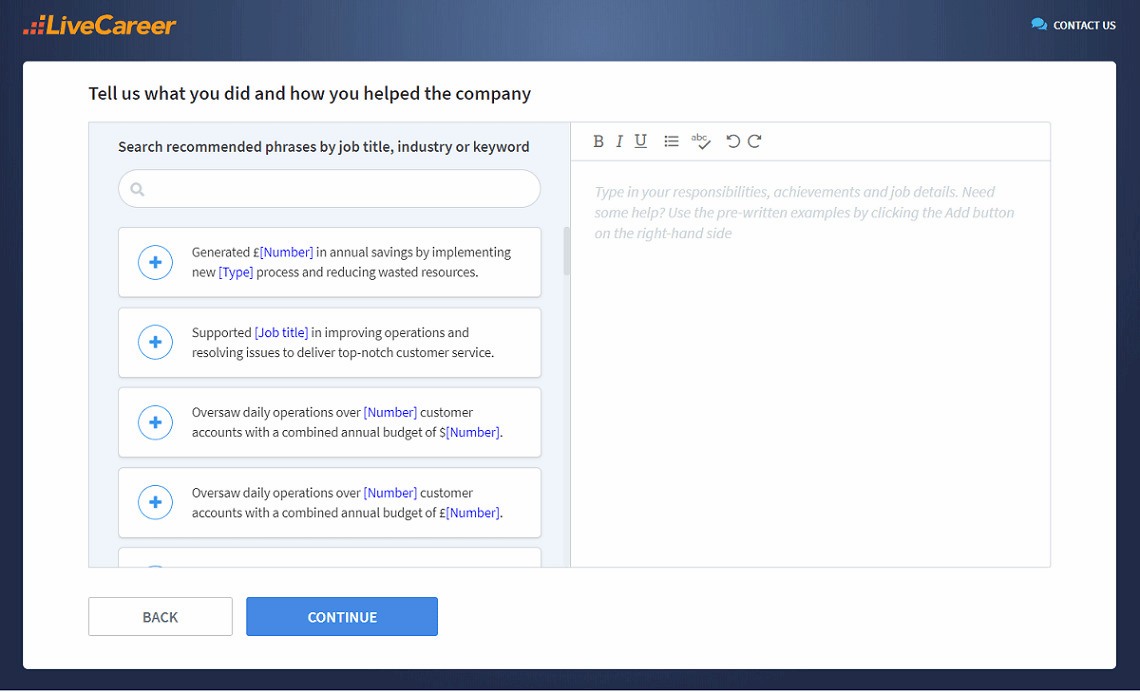
You don’t have to be a CV writing expert. In the LiveCareer CV builder you’ll find ready-made content for every industry and position, which you can then add with a single click.
Following up on a job application is an essential step to show your interest, reinforce your qualifications, and stay on the hiring team’s radar. By choosing the right timing, selecting an appropriate method of contact, and writing a professional follow-up email, you can greatly improve your chances of success.
If you’re applying for multiple jobs, the guides below will help you craft powerful cover letters:
- How to Write a Cover Letter
- How Long Should Your Cover Letter Be
- What to Include in Your Cover Letter
- Best Cover Letter Layout
- Email Cover Letter
- Generic Cover Letter
How we review the content at LiveCareer
Our editorial team has reviewed this article for compliance with LiveCareer’s editorial guidelines. It’s to ensure that our expert advice and recommendations are consistent across all our career guides and align with current CV and cover letter writing standards and trends. We’re trusted by over 10 million job seekers, supporting them on their way to finding their dream job. Each article is preceded by research and scrutiny to ensure our content responds to current market trends and demand.
Sources
About the author
Maciej Staszek Tomaszewicz
Maciej is a certified career expert who brings over a decade of expertise in crafting tailored CVs and cover letters. He combines deep industry knowledge with a friendly, accessible writing style, aiming to empower job seekers with practical tips and insightful career advice.
Looking for a job-winning CV?
Crafting a job-winning CV is all about showcasing your unique skills and experiences. Start with a strong personal statement that highlights your career goals and achievements.
Try Our CV Builder Now