Character Reference Letter Examples & Template for Jobs
Last updated on 27 July, 2026

Danuta DetynaWriter, Professional Association of Resume Writers and Career Coaches (PARWCC)

Our customers have been hired by*:
What is a character reference letter?
A character reference letter is an endorsement of your character and personal integrity. It’s usually written by a mentor, coach, or friend rather than a supervisor. A character letter should offer insight into your personality, values, and soft skills, rather than focusing solely on professional performance.
A character reference letter can make a real difference to a job application. This guide shows how to start, what to include, and how long it should be. I’ll help you every step of writing a character reference letter!
Create an effective CV in minutes. Choose a professional CV template and fill in every section of your CV in a flash using ready-made content and expert tips.
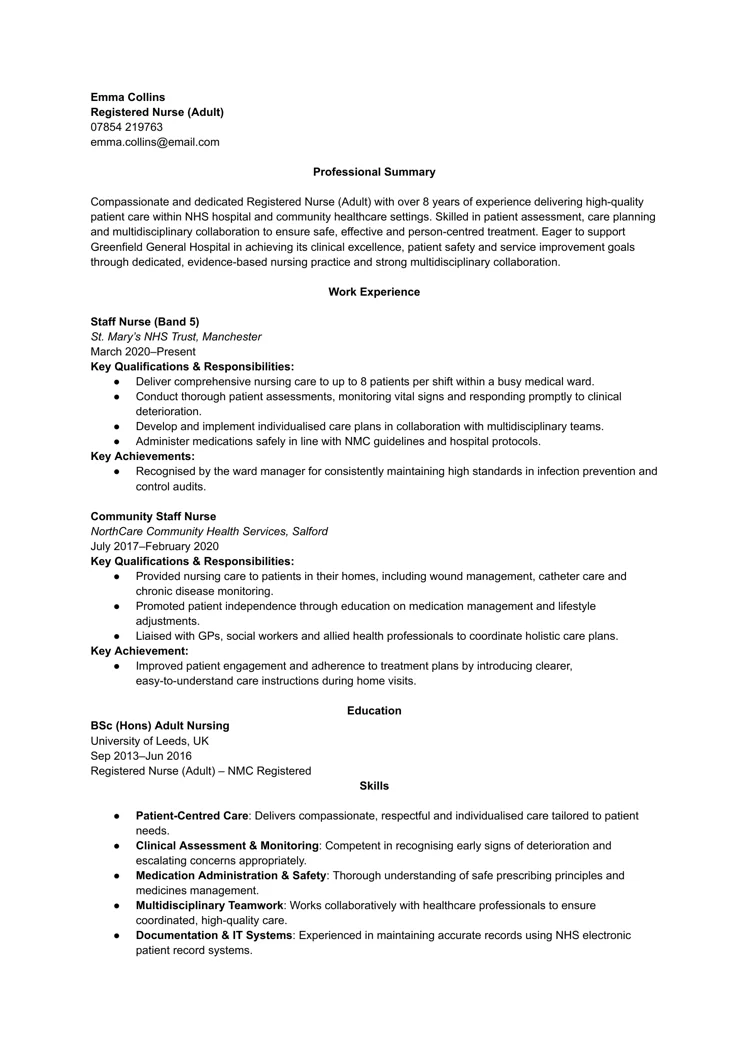
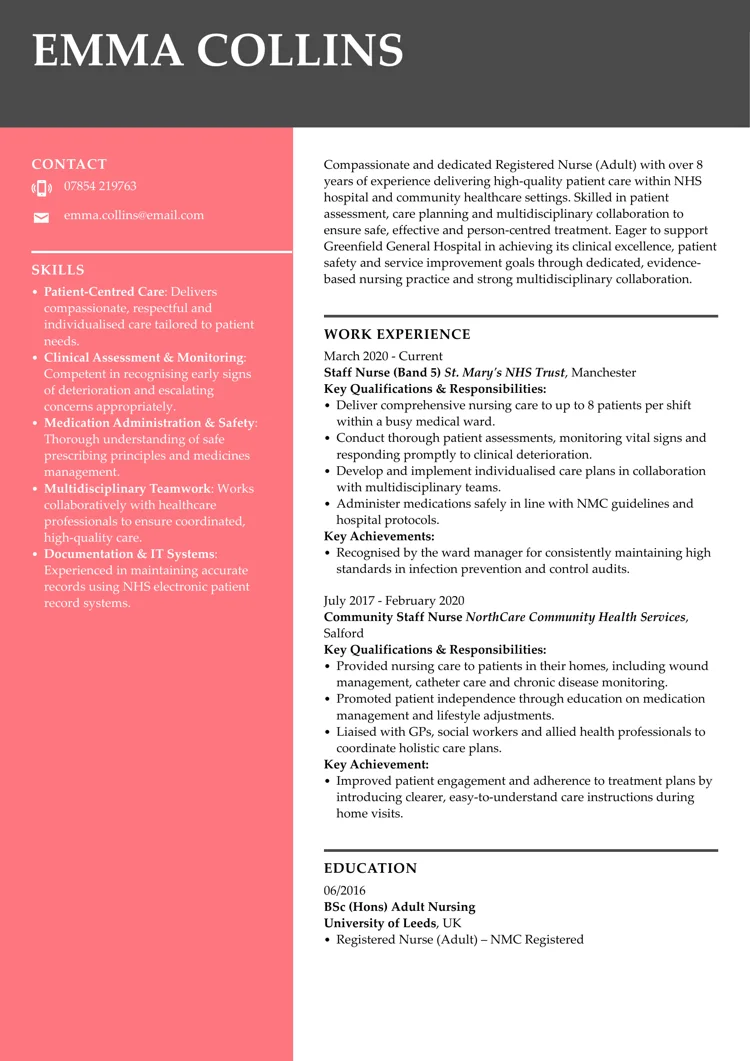
We created the sample on the left using our builder. See other good CV examples like this one.
What to include in a character reference letter?
To write a good character letter, you must provide enough information without making it seem overly enthusiastic. Include the following elements for good balance:
Type of relationship and its duration
Describe the relationship briefly, focusing on how long you’ve known each other and in what way. For example, explain that you taught the person you’re writing about at university or coached their sports team.
Personality traits
Focus on qualities and skills that match their needs. For example, if your character reference letter will support their scholarship application, state that they’re hard-working and dedicated. If the character reference letter supports a rental agreement, state that your friend is responsible and gets along well with everyone.
Specific examples
Words go far, but evidence goes even further. Describe a situation in which your friend or colleague demonstrated the qualities you’ve mentioned. E.g., a character reference letter for a college application can recall original research that your mentee or friend has undertaken to broaden their knowledge.
Your contact information
At the end of the character letter, provide your contact details: your name, phone number, and email address, in case the recipient needs to contact and confirm your statements.
Character reference example
Below is a strong example of a character reference tailored to a job application in the UK:
Dear Ms Thompson,
I am pleased to provide a character reference for Daniel Harris, whom I have known for over seven years through our local community sports association, where he volunteers as a youth coach.
Throughout this time, Daniel has consistently demonstrated integrity, reliability, and genuine leadership. He is exceptionally organised and takes his responsibilities seriously, often arriving early to prepare sessions and ensuring every participant feels included and supported.
One example that stands out was during our annual regional tournament, when several volunteers were unable to attend at short notice. Daniel stepped in to coordinate the event schedule, liaise with parents, and manage logistics on the day. Thanks to his calm approach and problem-solving skills, the event ran smoothly and received excellent feedback from families.
Beyond his organisational ability, Daniel is approachable, empathetic, and an excellent communicator. He builds trust quickly and maintains positive relationships with both young people and adults.
I have no doubt that Daniel will bring the same dedication and professionalism to the role of Customer Service Advisor. He has my full recommendation.
Please feel free to contact me if you require any further information.
Yours sincerely,
Rachel Morgan
Community Coordinator
07900 123456
This character reference letter sample works well because it:
- Clearly explains the relationship
- Provides specific examples
- Links personal qualities to the job
- Keeps a professional tone
Character reference letter template
If you’re unsure how to structure your letter, use this character reference letter template as a starting point:
Dear [Hiring Manager’s Name],
I am writing to provide a character reference for [Full Name], whom I have known for [length of time] in my capacity as [your relationship, e.g., mentor, coach, family friend].
During this time, I have come to know [Name] as a [positive traits – e.g., reliable, honest, hardworking] individual. They consistently demonstrate [key soft skill relevant to the job], which I have observed when [brief specific example].
In addition, [Name] is known for their [another strength], particularly when [short example or context]. Their ability to [relevant quality – e.g., communicate effectively, remain calm under pressure, show initiative] would make them well-suited to the role of [job title].
I am confident that [Name] would be an asset to your organisation and have no hesitation in recommending them.
Should you require any further information, please feel free to contact me.
Yours sincerely,
[Your Full Name]
[Position (if relevant)]
[Contact details]
This sample character reference letter can be adapted for most situations.
How to write a good character reference letter
A character reference letter that strengthens someone’s job application must be thoughtful and relevant.
Here’s how and what to write in a character reference letter:
1. Understand the role first
Before drafting a character reference letter, take time to understand exactly what your acquaintaince is applying for. A generic letter can weaken an otherwise strong endorsement rather than show effort and insight.
Start by reviewing the role description carefully. Pay close attention to:
- Key soft skills and competencies required (e.g. teamwork, communication, leadership, time management)
- Organisational values and culture (e.g. innovation, integrity)
- Core responsibilities
Once you understand the application, align your comments with those requirements. For example, if in a character reference letter for a job dealing with customers, highlight the candidate’s communication skills and professionalism.
2. Provide specific examples
Good character reference examples show evidence, not just positive adjectives. While it may be tempting to describe someone as “hardworking” or “responsible,” those words alone don’t carry much weight without context and are a staple of bad CVs recruiters hate.
❌ Instead of writing:
“She is very responsible.”
✔ Write something more detailed, such as:
“She managed fundraising events with budgets exceeding £5,000 and consistently delivered them on time, coordinating volunteers and suppliers efficiently.”
Specific examples help the reader visualise the applicant in action. Even one or two short anecdotes can transform an average example character reference into a compelling endorsement. The goal is to show, not just tell.
3. Focus on relevant traits
A well-written character reference letter does not attempt to list every positive quality a person has. Instead, it highlights a small number of relevant strengths.
Common qualities to include in character reference examples for jobs and other applications are:
- Integrity – honesty, ethical behaviour, trustworthiness
- Reliability – punctuality, consistency, accountability
- Communication skills – clarity, empathy, professionalism
- Leadership abilities – initiative, decision-making skills, motivating others
- Teamwork skills – cooperation, collaboration, respect for others
- Initiative – proactive behaviour, willingness to go beyond expectations
- Adaptability – flexibility in new or challenging situations
- Problem-solving abilities – logical thinking and practical solutions
Choose 2–4 most relevant traits. Then briefly explain how you’ve seen those qualities demonstrated.
A good way to pick the right traits for a job character reference letter is to mirror what employers need. The World Economic Forum’s report names the following key competencies:
- Analytical thinking — the most-needed skill, with 70% companies saying it’s essential
- Resilience
- Flexibility
- Leadership
4. Keep the character letter concise
While detail is important, clarity and brevity matter just as much. Character reference letter samples are typically:
- Around 300–500 words
- Structured into 3–5 clear paragraphs
- Professional and easy to scan
A concise letter is far more effective than a lengthy one filled with repetition. Aim to:
- Open with your relationship to the candidate
- Highlight two or three key strengths with examples
- Close with a confident recommendation
5. Maintain a professional tone
Even if you are writing a personal character reference for someone you know well, professionalism is essential. Remember that this letter may become part of a formal recruitment process.
A good character reference should:
- Be formally addressed (e.g. Dear Hiring Manager)
- Use polite, professional language
- Avoid humour, slang, or overly casual expressions
- Remain balanced and honest
Avoid exaggeration or unrealistic claims. Overstating someone’s abilities can damage both your credibility and theirs. A measured, sincere endorsement carries far more weight than dramatic praise.
Tips for specific character reference letters
Different situations call for slightly different emphasis. I’ve prepared expanded outlines to help you adapt your character reference sample to the candidate’s background.
Character reference for a graduate
When writing an example of a character reference for a recent graduate, the focus is usually on potential rather than extensive professional experience.
Emphasise:
- Work ethic – punctuality, commitment to studies, meeting deadlines
- Academic dedication – participation in projects, research, or extracurricular activities
- Initiative – volunteering, internships, leadership roles at university
- Willingness to learn – openness to feedback and personal development
Employers hiring graduates often value attitude and growth potential. Demonstrating maturity, responsibility, and enthusiasm can significantly strengthen the reference.
Employee character reference letter (colleague)
An employee character reference letter written by a colleague should focus on workplace behaviour and interpersonal skills, rather than formal performance metrics.
Highlight:
- Collaboration – ability to work effectively within a team
- Professional attitude – punctuality, accountability, respectful communication
- Reliability – meeting deadlines and supporting colleagues
- Communication skills – clarity in meetings, written communication, handling clients
Including an example of a successful project you worked on together can make the reference more credible and grounded.
Personal character reference for career change
When someone is changing industries, a personal character reference can be particularly valuable. In this case, focus on transferable, employability skills rather than technical skills.
Emphasise:
- Transferable skills – leadership, organisational skills, communication
- Commitment – dedication to learning new skills or qualifications
- Adaptability – ability to thrive in new environments
- Integrity – professionalism and trustworthiness
Showing how the candidate has successfully handled change in the past reassures employers that they can adapt to a new role.
These examples of character references demonstrate that the structure remains similar, but the emphasis shifts based on the applicant’s situation.
Looking for tips on writing other types of business letters? I’ve got you covered:
- Acceptance Letter Example & Writing Tips
- Apology Letter Example & Writing Tips
- Appeal Letter Example & Writing Tips
- Appointment Letter Example & Writing Tips
- Leave Letter Example & Writing Tips
- Recommendation Letter Example & Writing Tips
- Resignation Letter Example & Writing Tips
- Retirement Letter Example & Writing Tips
- Termination Letter Example & Writing Tips
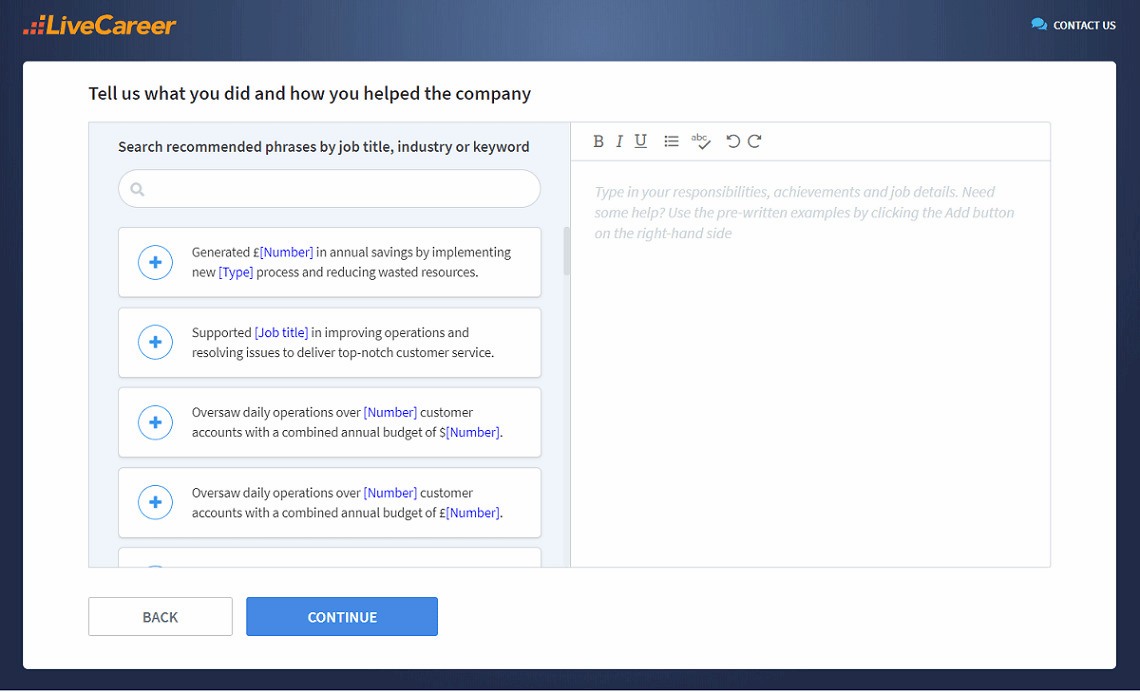
You don’t have to be a CV writing expert. In the LiveCareer CV builder you’ll find ready-made content for every industry and position, which you can then add with a single click.
Thank you for taking the time to read my guide on how to write a character reference letter. Explore our blog for practical guidance to help you succeed at every stage of your career journey.
How we review the content at LiveCareer
Our editorial team has reviewed this article for compliance with LiveCareer’s editorial guidelines. It’s to ensure that our expert advice and recommendations are consistent across all our career guides and align with current CV and cover letter writing standards and trends. We’re trusted by over 10 million job seekers, supporting them on their way to finding their dream job. Each article is preceded by research and scrutiny to ensure our content responds to current market trends and demand.
Sources
About the author
Danuta Detyna
Danuta Detyna is a Certified Professional Résumé Writer and career expert with over nine years of writing experience. Known for her empathetic, detail-oriented approach, she creates practical and empowering career resources that help job seekers move forward with confidence.
Looking for a job-winning CV?
Crafting a job-winning CV is all about showcasing your unique skills and experiences. Start with a strong personal statement that highlights your career goals and achievements.
Try Our CV Builder Now