Top 10 Personal Skills: Examples for Your CV
Last updated on 29 December, 2025

Danuta DetynaWriter, Professional Association of Resume Writers and Career Coaches (PARWCC)
Our customers have been hired by*:
Ever wondered why candidates with the same qualifications can have completely different careers?
The difference often lies in personal skills – the abilities that enable you to work effectively with others, solve problems, and adapt to change. While technical skills get your foot in the door, it’s personal skills that help you stand out and grow.
In this guide, you’ll see examples of personal skills for your CV and find out how to showcase them in applications and interviews.
Create an effective CV in minutes. Choose a professional CV template and fill in every section of your CV in a flash using ready-made content and expert tips.


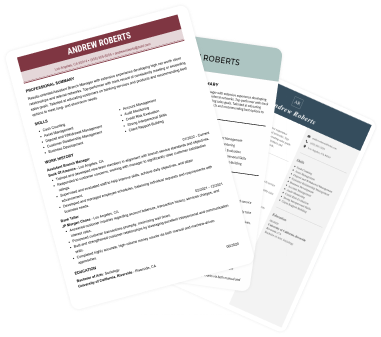
We created the sample on the left using our builder. See other good CV examples like this one.
Want to learn more about skills? Take a look at these guides:
- Must-Have Employability Skills to Land Your Next Job
- Digital Skills to Highlight on Your CV (With Practical Examples)
- Your Guide to Listing IT Skills on a CV
- Essential Soft Skills for Your CV (and Why They Matter)
- Customer Service Skills to Make Your CV Shine
- Top Analytical Skills to Boost Your CV
- Technical Skills for Your CV: Examples & Best Practices
- Project Management Skills for Your CV: Examples That Work
- Presentation Skills: The Secret Weapon for Career Success
- Skills to Include on Your CV: The Ultimate Guide
What are personal skills?
Personal skills (often referred to as interpersonal skills or personal attributes) are the individual character traits, work habits, and emotional intelligence capabilities that dictate how you work, manage tasks, and interact with colleagues.
Unlike technical hard skills (which are taught), personal skills reflect your work ethic, adaptability, and self-management.
On a standard UK CV, you should include 6 to 8 core skills, backed by concrete workplace achievements and metrics.
10 personal skills for your CV
UK recruiters assess personal skills to determine cultural fit and day-to-day dependability. Here are some of the most sought-after personal skills:
1. Communication
Being able to express ideas clearly, listen actively, and adjust your tone according to your audience is one of the most desirable skills across various industries. Communication skills help prevent misunderstandings and encourage strong working relationships.
2. Teamwork
Few jobs today are completed entirely by one person. Employers want staff who can work effectively in groups, share credit, and collaborate with others to achieve shared goals. Good teamwork involves listening, offering support, and contributing constructively.
3. Problem-solving
Problem-solving skills show you can stay calm under pressure, think critically, and devise practical solutions. Employers are drawn to candidates who can address obstacles with a solutions-first mindset, rather than just escalating problems to managers.
4. Time management
Knowing how to manage your workload, meet deadlines, and prioritise tasks is crucial in any professional environment. Strong time management makes you dependable, reduces stress, and leads to better results.
5. Adaptability
The modern workplace changes rapidly. Whether it’s new technology, processes, or team structures, adaptability shows you can handle change without losing focus. It’s a critical personal skill for staying relevant in any industry.
6. Leadership
Leadership isn’t only for management roles. It’s about taking initiative, motivating others, and guiding projects to completion. Leadership skills also help you handle responsibility and act decisively when required.
7. Empathy
Empathy – the ability to understand and relate to other people’s feelings – is key to building strong professional relationships. It helps resolve conflicts, strengthens team bonds, and improves collaboration with clients or customers.
8. Critical thinking
Critical thinking allows you to analyse situations objectively and make reasoned decisions. Instead of relying solely on opinions or gut instinct, critical thinkers evaluate facts to determine the best path forward. Critical thinking is one of the most sought-after soft skills in the UK.
9. Motivation
Self-motivation means working hard because you want to, not just because you’re told to. Motivated employees show initiative, keep projects moving, and inspire others with their dedication and positive attitude.
10. Organisation
Organised employees help keep projects on track. Whether it’s maintaining files, coordinating deadlines, or managing schedules, organisational skills are crucial for maintaining productivity and reducing errors.
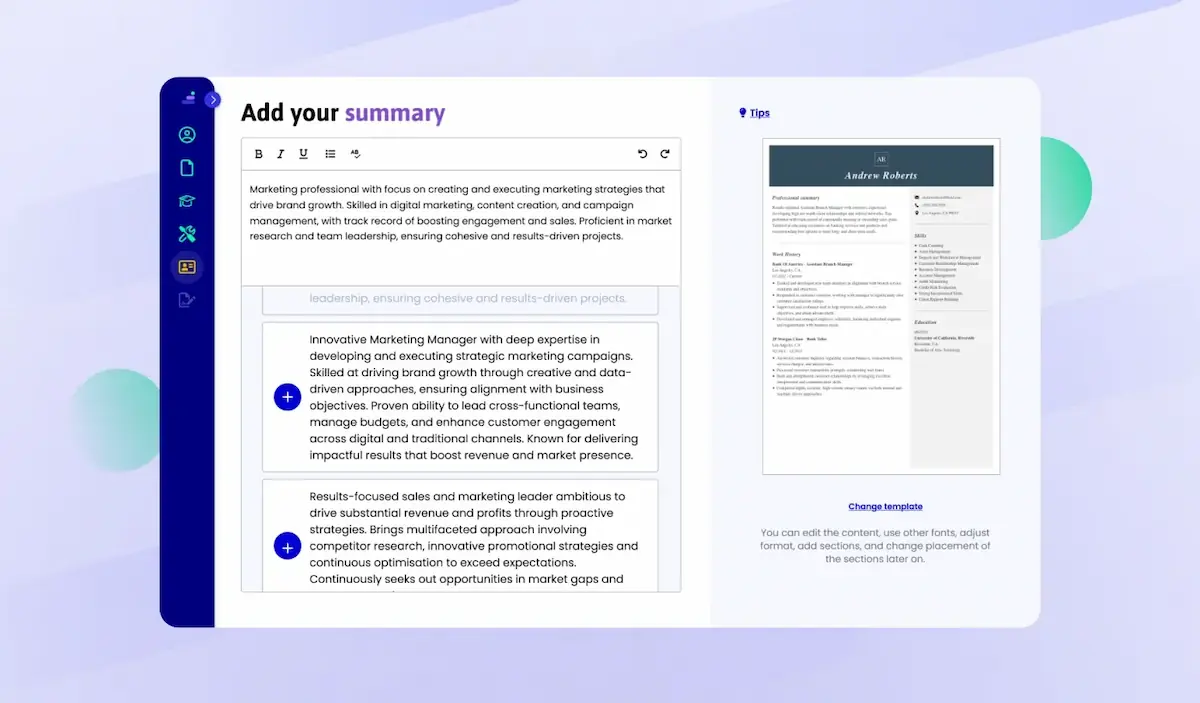
A strong CV summary will convince the recruiter you’re the perfect candidate. Save time and choose a ready-made personal statement written by career experts and adjust it to your needs in the LiveCareer CV builder.
How to prove personal skills on a CV
Never list personal skills as unsupported buzzwords (e.g. avoid bullet points that merely say ‘punctual, hardworking, team player‘). Use the CAR formula (Context, Action, Result) to demonstrate your skills through evidence:
[Personal Skill / Trait] ➔ [Action Context in the Workplace] ➔ [Measurable Result / Impact]
Showing evidence of your contribution in previous roles is the best way to convince a hiring manager that you are a strong candidate.
How to present your personal skills in a job interview
The interview is your chance to show how you use these skills in real-life situations. Use the STAR method – Situation, Task, Action, Result to show your personal qualities for a job.
Here’s how to do it:
- Situation: Briefly describe the context.
- Task: Explain your responsibility in that situation.
- Action: Detail the steps you took, focusing on your personal skills.
- Result: Highlight the outcome and any positive feedback you received.
Example
Q: ‘Can you describe a time you had to adapt to a change at work?’
A: ‘In my previous role, a major client changed their project requirements at the last minute. I worked closely with my manager (communication), kept the team focused despite the stress (leadership), and re-prioritised my workload (time management) to deliver the revised project two days ahead of the deadline (result). The client was impressed with the flexibility we demonstrated, and the relationship with them has since grown significantly.’
Practice makes perfect. Rehearse your examples before the interview so you can share your stories confidently, clearly showing how your personal skills add value to any employer.
How to develop personal skills in your career
Improving personal skills requires dedication and consistent effort. Here are some practical strategies:
Take courses and attend workshops
Formal training, such as online courses or in-person workshops, is a structured way to build personal skills. FutureLearn courses on communication, teamwork, and problem-solving provide excellent starting points.
Seek feedback and mentorship
Ask for feedback from managers or colleagues and reflect on their suggestions. Consider finding a mentor who excels in areas you want to develop. Learning directly from experienced professionals can accelerate your progress.
Practice regularly
Look for opportunities to use your personal skills every day. Volunteer for new projects, offer to lead meetings, or take part in community initiatives that stretch your skills.
Use self-reflection techniques
Journaling, recording your progress, or setting weekly goals can help you build self-awareness and track your growth. Reflecting on both successes and challenges makes it easier to stay focused on development.
Join professional groups
Networking groups or industry associations often offer talks, discussions, and workshops focused on personal development. These groups can expose you to different communication styles and leadership techniques.
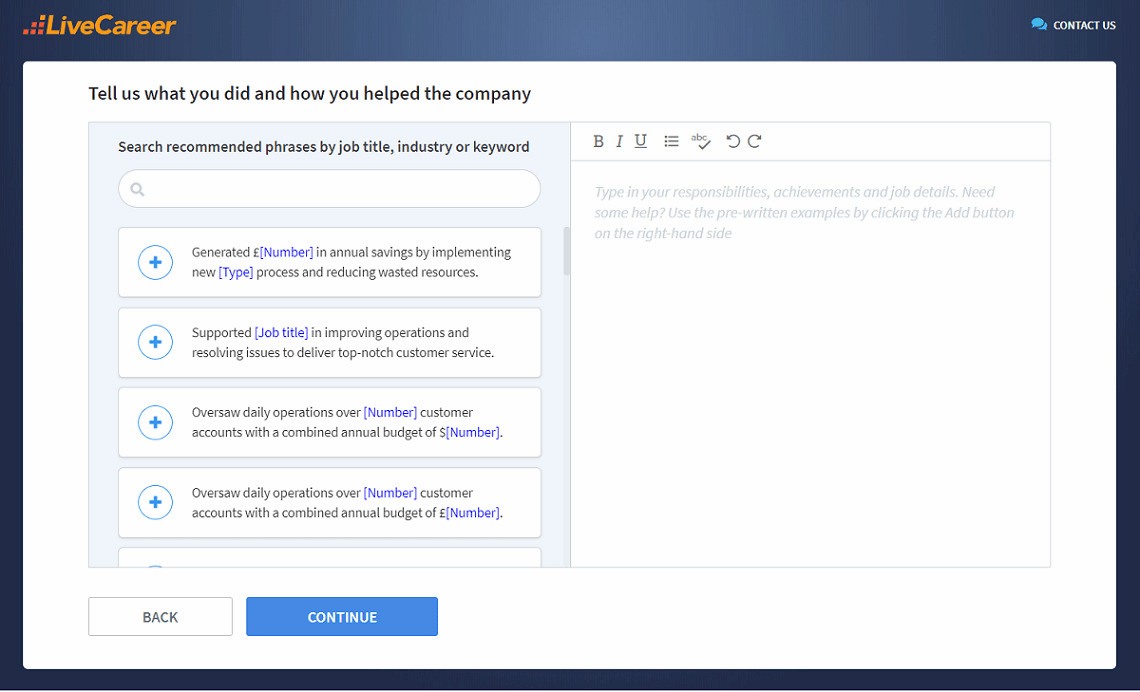
You don’t have to be a CV writing expert. In the LiveCareer CV builder you’ll find ready-made content for every industry and position, which you can then add with a single click.
Thank you for reading my article on personal skills for CVs. For more CV-writing advice, feel free to explore other guides on our blog. And if you’re looking for general career advice, we’ve got plenty of articles for you, too!
How we review the content at LiveCareer
Our editorial team has reviewed this article for compliance with LiveCareer’s editorial guidelines. It’s to ensure that our expert advice and recommendations are consistent across all our career guides and align with current CV and cover letter writing standards and trends. We’re trusted by over 10 million job seekers, supporting them on their way to finding their dream job. Each article is preceded by research and scrutiny to ensure our content responds to current market trends and demand.
Sources
Frequently asked questions
Where do I list personal skills on a UK CV?
Personal skills should be woven across three distinct areas:
Work history: Demonstrate personal skills in action through quantified bullet points.
Personal statement: Highlight 1–2 defining traits (e.g. ‘adaptable and analytical’).
Dedicated skills section: Include 3–4 core personal competencies alongside hard skills.
How many personal skills should I include on a CV?
Aim for a balanced total of 6 to 8 skills in your skills section. A strong UK CV typically features an even split: 3 to 4 technical/hard skills matched with 3 to 4 personal/interpersonal skills.
About the author
Danuta Detyna
Danuta Detyna is a Certified Professional Résumé Writer and career expert with over nine years of writing experience. Known for her empathetic, detail-oriented approach, she creates practical and empowering career resources that help job seekers move forward with confidence.
Looking for a job-winning CV?
Crafting a job-winning CV is all about showcasing your unique skills and experiences. Start with a strong personal statement that highlights your career goals and achievements.
Try Our CV Builder Now