What Does Good Customer Service Mean to You? (Answers)
Last updated on 21 September, 2026

Danuta DetynaWriter, Professional Association of Resume Writers and Career Coaches (PARWCC)

Our customers have been hired by*:
Customer service is the support and assistance a business provides to customers before, during, and after an interaction or purchase. This can include answering questions, resolving complaints, offering guidance or simply ensuring the customer feels supported throughout their experience.
When applying for a customer-facing role, you must prepare to answer interview questions about good customer service. I’ll show you what excellent customer service really means in practice, why employers ask such questions, and how to answer “what does customer service mean to you” with confidence.
Create an effective CV in minutes. Choose a professional CV template and fill in every section of your CV in a flash using ready-made content and expert tips.
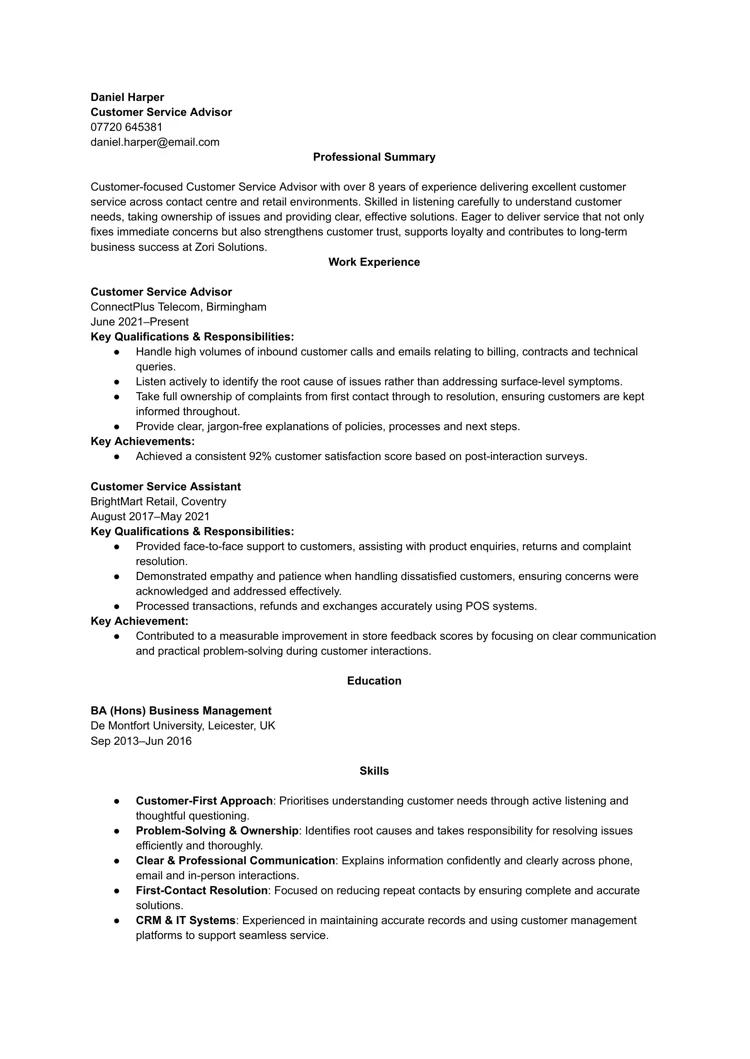

We created the sample on the left using our builder. See other good CV examples like this one.
Applying for customer service jobs? Check these out:
- Customer Service CV Guide: Templates, Examples & Best Practices
- Top Customer Service Skills to Highlight on Your CV
- Top Cover Letter Tips for Customer Service Job Applications
Why is good customer service important for businesses?
As KMPG’s survey shows, the high cost of living in the UK is forcing many Britons to limit their spending, and 27% of consumers plan to spend less in 2026. That means businesses must work harder to attract and retain customers.
Employers are keen to hire candidates who understand the value of quality customer experiences. Clients leave feedback on review sites like Google Maps and Trustpilot, and unhappy patrons can directly influence the overall image of the business. On the other hand, satisfied customers recommend businesses online and through word of mouth.
Top benefits of good customer service include:
- Customer loyalty: happy clients are more likely to return, and reaching new customers is harder than retaining existing ones
- Higher profits: good experiences make customers engage with businesses and spend more
- Recommendations: satisfied customers are likely to recommend the business to others in person or online
The Institute of Customer Service announced that the January 2026 UK Customer Satisfaction Index score was 78.2 out of 100, up by 2.1 points compared to the year before. This national benchmark, based on tens of thousands of customer responses across multiple sectors, shows there’s still room for improvement in delivering excellent customer service.
Why employers ask “What does good customer service mean to you?”
The “what does customer service mean to you” interview question helps employers assess how you’re likely to behave in real customer situations. It reveals your values, your communication style, and your approach to problem-solving.
Your answer also demonstrates how well you reflect on your experience. For customer-facing roles, this insight is just as important as technical skills or previous experience. Knowing why the question is asked makes it easier to prepare a strong, structured response.
What employers mean by exceptional customer service
During interviews, phrases such as good, great, excellent and outstanding customer service are often used interchangeably. Employers are not testing your vocabulary; they’re assessing your mindset and behaviour.
What matters most is whether you show a customer-oriented approach, strong communication skills and the ability to handle problems effectively. When answering, focus on actions rather than adjectives to create a stronger impression.
With this understanding in mind, it becomes easier to see why interviewers place so much importance on this question.
What makes good customer service in practice
In practice, customer service is shaped by behaviours and skills that influence every client interaction. Here are some of the key elements involved in excellent customer service:
Putting the customer first
At its core, customer service means prioritising the customer’s needs and experience at every stage of an interaction.
This involves:
- listening carefully
- asking thoughtful questions
- Having empathy and patience
- taking the time to understand what the customer truly needs
- conflict resolution skills, particularly when a customer is upset or frustrated.
Solving problems effectively
Customer service isn’t just about being approachable or polite. A key part of the role is taking responsibility for problems and working towards effective solutions.
In this context, problem-solving skills mean:
- staying calm under pressure
- identifying the root cause of an issue
- explaining next steps.
Ofcom’s 2024 customer service research found that only 44% of fixed broadband complaints were fully resolved on first contact. This means that more than half of the customers had to follow up again to resolve their issue. Statistics like this show why employers value candidates who take ownership of problems and aim for clear, complete resolution the first time.
Professional communication
Strong communication is essential to delivering quality customer service, particularly when situations are complex or emotionally charged.
Customers need:
- clear explanations
- honest timelines
- reassurance that their issue is being handled properly.
Effective customer service communication involves:
- adapting your tone
- avoiding jargon
- remaining professional at all times.
Employers value candidates who can communicate confidently, as this helps prevent misunderstandings and builds long-term trust.
Going beyond expectations when appropriate
In some situations, good customer service means doing more than simply meeting expectations. This could involve:
- anticipating a customer’s needs
- recommending suitable good or services
- offering a helpful alternative
- following up after an issue has been resolved.
This is often what employers mean when they refer to great, outstanding or exceptional customer service. It’s not about dramatic gestures, but about thoughtful actions that leave customers with a positive and lasting impression of the business.
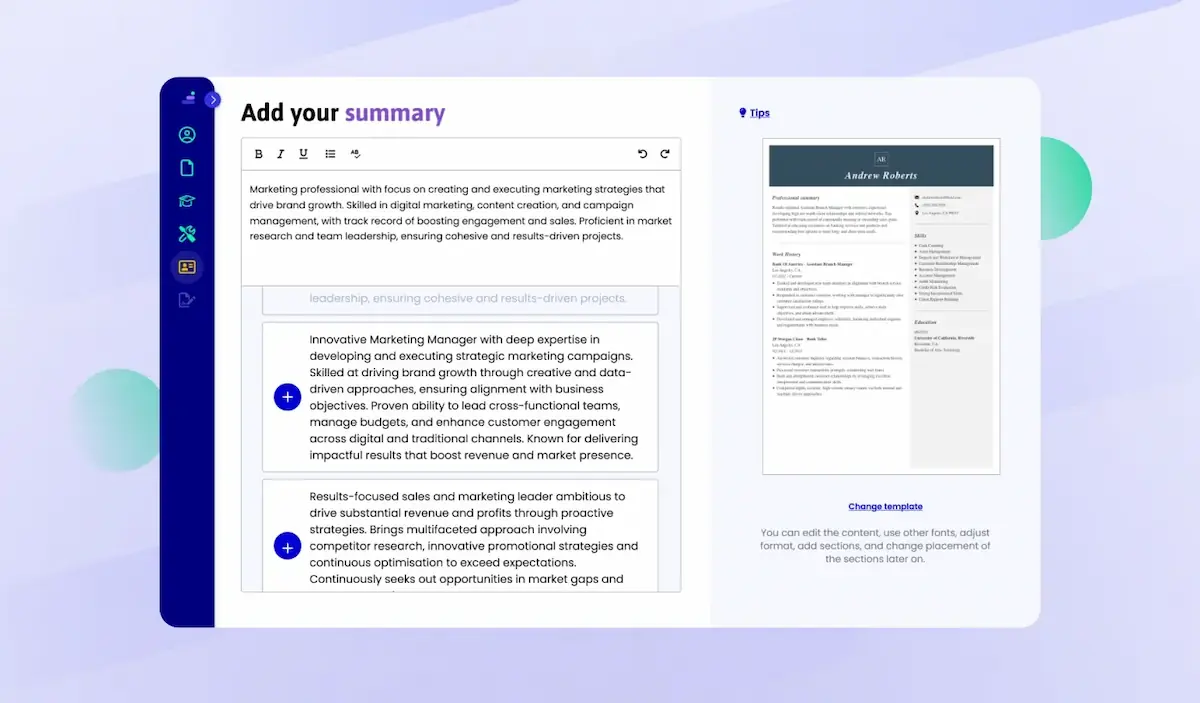
A strong CV summary will convince the recruiter you’re the perfect candidate. Save time and choose a ready-made personal statement written by career experts and adjust it to your needs in the LiveCareer CV builder.
How to answer “What does customer service mean to you?”
Employers want to see that you understand customer service not just in theory, but in everyday situations. Following a simple structure can help you deliver a confident and well-rounded answer.
A strong response to this job interview question combines:
- Your definition of good customer service
- Real-world examples of your customer-oriented behaviour.
Read the tips below to create a great answer step-by-step:
1. Define customer service in your own words
Explain what customer service means to you. This helps your answer sound authentic and gives interviewers insight into your perspective.
For example:
I think what makes good customer service is understanding customer needs, providing helpful support and creating a positive experience.
2. Explain how you deliver good customer service
Next, explain how you apply that definition in practice. This could include listening actively, resolving issues calmly or communicating clearly throughout the process. By doing this, your answer becomes specific and credible, rather than abstract or generic.
For example:
While volunteering at the tourist information office, I assisted visitors daily. I always made sure to listen to their problems actively and asked follow-up questions to clarify the matter and give them the advice they needed. Many of the tourists were foreign, so I spoke clearly and simply to help them feel comfortable.
3. Link customer service to business success
Finally, show you understand the broader impact of customer service. You can mention how excellent or exceptional customer service builds loyalty, strengthens a company’s reputation and supports long-term success. This step helps position your response as thoughtful and business-aware, which employers value highly.
For example:
In hospitality, good customer service is the foundation of the business. Customers who visit a restaurant expect that the quality of service will match the quality of the food. If they have a great experience, they will come back again and recommend the place to others. I think that personalised service is the best approach, so I do my best to learn patrons’ names and offer menu suggestions that match their preferences.
Good customer service examples
The following examples show how answers to the “What does customer service mean to you?” question can be adapted based on experience level and responsibility. You can customise these examples to reflect your own background and explain how to provide excellent customer service in a genuine way.
Entry-level example
To me, good customer service means taking the time to listen to customers, understand what they need and respond in a professional and supportive way. Even when I can’t resolve an issue immediately, I believe it’s important to communicate clearly and reassure the customer that their concern is being taken seriously. Overall, customer service is about creating a positive experience that reflects well on the company and encourages customers to return.
Experienced professional example
Excellent customer service means taking ownership of customer issues from start to finish. For me, that includes listening carefully, asking the right questions and providing clear updates throughout the process. I also believe strong customer service involves staying calm under pressure and finding practical solutions that balance customer needs with company policies. When done well, it builds trust and leaves customers feeling confident in the organisation, even when challenges arise.
Leadership or senior role example
Exceptional customer service means creating a consistent, customer-focused approach across an entire team or organisation. I believe it’s about setting clear standards, leading by example and ensuring team members feel empowered to resolve issues effectively. Strong communication, empathy and accountability are essential, as is using customer feedback to improve processes. When customer service is embedded in the culture, it leads to better experiences, stronger loyalty and long-term business success.
Common mistakes to avoid when defining excellent customer service
Even strong candidates can weaken their response if they overlook certain details. When preparing your what is good customer service to you answer, it’s important to avoid these common pitfalls:
- Giving a generic or memorised answer: Responses that rely on clichés like “the customer is always right” without explanation can sound insincere. Employers want to hear your understanding of customer service, supported by real behaviours or examples.
- Focusing only on friendliness: While politeness matters, customer service also involves problem-solving, communication and accountability. Ignoring these elements can make your answer feel incomplete.
- Failing to explain how you apply your definition: Simply defining customer service isn’t enough. Employers want to know how you deliver good or excellent customer service in real situations.
- Overlooking the business impact: Strong answers recognise that customer service affects reputation, retention and success. Ignoring this can make your response seem narrow.
- Being too vague or too brief: Short or unclear answers don’t give interviewers enough insight. A well-structured response shows confidence and understanding.
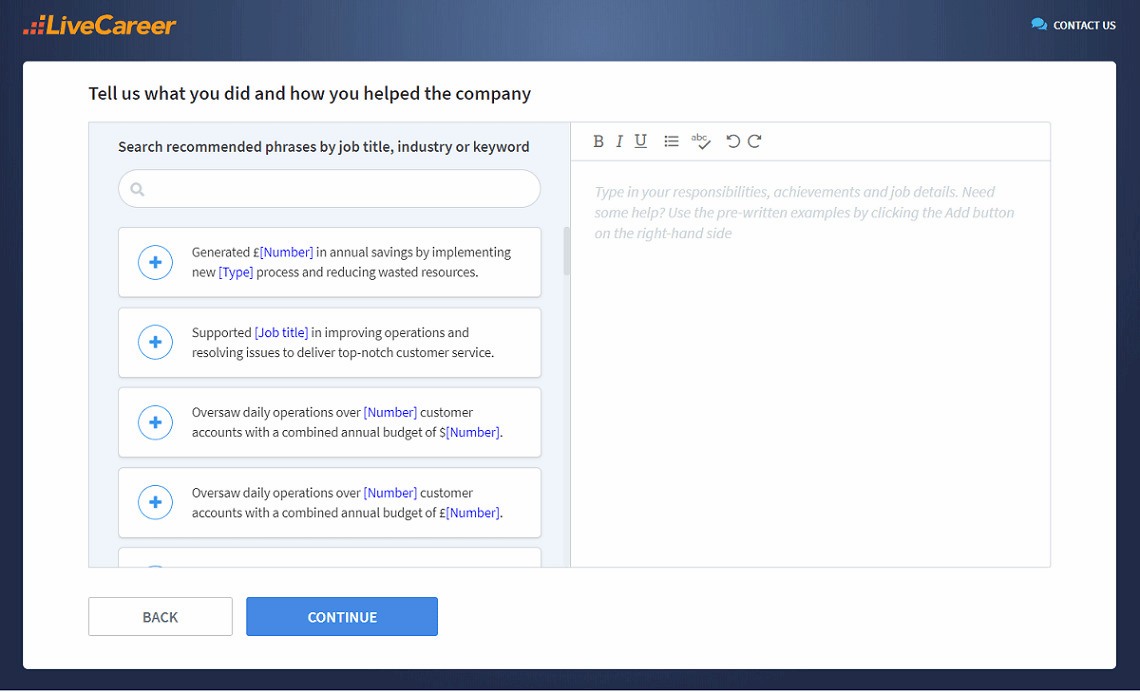
You don’t have to be a CV writing expert. In the LiveCareer CV builder you’ll find ready-made content for every industry and position, which you can then add with a single click.
Being able to explain what customer service means to you is essential for interview success in any customer-facing role. By focusing on practical behaviours and real outcomes, you can deliver a confident, thoughtful response that shows you truly understand what outstanding customer service means in practice, and why it matters.
Thank you for taking the time to read this guide. I hope it has helped you better understand what good and excellent customer service really mean – and how to explain your approach with confidence in your next interview. For more expert advice on interview preparation, CV writing and career development, explore our blog.
How we review the content at LiveCareer
Our editorial team has reviewed this article for compliance with LiveCareer’s editorial guidelines. It’s to ensure that our expert advice and recommendations are consistent across all our career guides and align with current CV and cover letter writing standards and trends. We’re trusted by over 10 million job seekers, supporting them on their way to finding their dream job. Each article is preceded by research and scrutiny to ensure our content responds to current market trends and demand.
Sources
About the author
Danuta Detyna
Danuta Detyna is a Certified Professional Résumé Writer and career expert with over nine years of writing experience. Known for her empathetic, detail-oriented approach, she creates practical and empowering career resources that help job seekers move forward with confidence.
Looking for a job-winning CV?
Crafting a job-winning CV is all about showcasing your unique skills and experiences. Start with a strong personal statement that highlights your career goals and achievements.
Try Our CV Builder Now