What Is a Fixed-Term Contract? Meaning + Pros & Cons
Last updated on 10 April, 2026

Maciej Staszek TomaszewiczWriter, Professional Association of Resume Writers and Career Coaches (PARWCC)

Our customers have been hired by*:
A fixed-term contract (FTC) is an employment agreement with a specified duration, ending on a set date or after completing a designated project. Fixed-term contracts are often used for seasonal jobs, short-term projects, or to cover a long-term absence. In the UK, over 1.3 million workers are employed on fixed-term contracts.
Now that you know the meaning of fixed-term contracts, continue reading this article to learn the key distinctions, plus advantages and disadvantages of FTC employment.
Create an effective CV in minutes. Choose a professional CV template and fill in every section of your CV in a flash using ready-made content and expert tips.
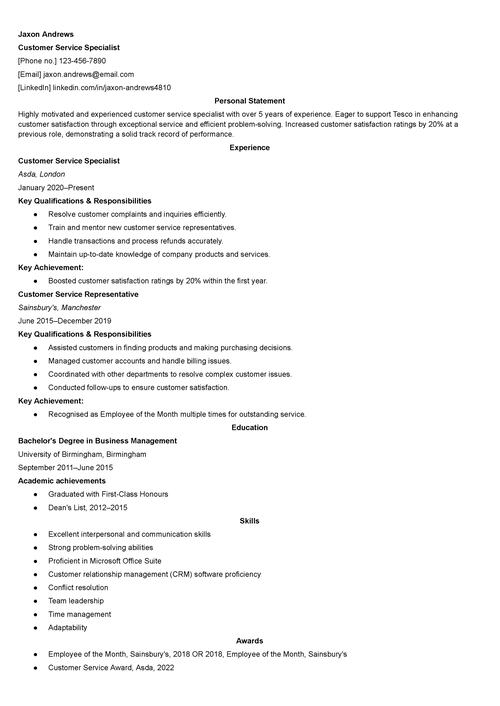
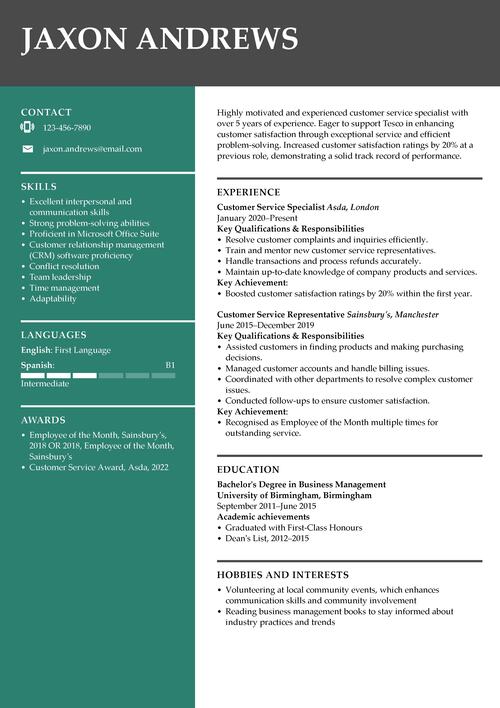
We created the sample on the right using our builder. See other good CV examples like this one.
Key features of fixed-term contracts
Before agreeing to a fixed-term contract job, you should understand the specifics of FTC, meaning what exactly makes it different from other types of employment agreements.
Key distinctions of a fixed-term contract:
- Fixed length: FTC contracts have a clear start and end date, e.g., for 6 months or until September 30
- Expiration: They expire at the end of the specified period
- Termination option: Both you and the employer can terminate an FTC contract in case of a serious breach or if the contract mentions a termination notice.
- Direct employment: FTC staff are usually employed directly by the organisation
- Exclusions: You aren’t technically a fixed-term employee if you are an apprentice, a student on a work placement, or a member of the armed forces.
You must also know that there are important fixed-term contract rights after 2 years of work. Regulations include:
- Parity of treatment: Under UK law, fixed-term employees must not be treated less favourably than permanent staff and are generally entitled to the same pay, holidays, and workplace benefits
- Unfair dismissal protection: Your employer must show a fair reason for not renewing a contract if you’ve worked for them for 2+ years
- Renewal option: Fixed-term contracts can become permanent if you continue working after the end date without a new contract
- Turning permanent: Any employee on a fixed-term contract lasting 4 or more years will automatically become a permanent employee unless the employer points to a valid reason against it.
Many professionals use an FTC job as a foot in the door. That’s because employers are legally required to inform fixed-term workers of permanent vacancies within the organisation. It’s a significant competitive advantage over external applicants!
Career tip
Fixed-term contracts differ from temporary agency work. While both are short-term, agency workers are usually employed by an external recruiter rather than the company where they actually perform the tasks.
What is the fixed-term contract duration?
FTC contracts typically run 3–12months; however, they can last up to 4 years. The duration of your fixed-term contract must be defined in the written agreement. If the timeline seems vague, ask for clarification, so you can plan your next career move with confidence.
FTC jobs usually cover:
- Maternity leave or sabbatical: Usually 6 to 12 months
- Specific projects: Such as a software rollout or a construction phase
- Seasonal peaks: Often 3 months, common in retail or hospitality.
Fixed-term contract advantages and disadvantages
Before signing up for a 12-month FTC job, consider these pros and cons.
| FTC pros | FTC cons |
| ✅ CV boost: You will gain work experience in high-level projects or prestigious firms | ❌ Job search cycle: You’ll need to be comfortable with job hunting every 6–12 months |
| ✅ Premium pay: Some FTC jobs offer higher pro-rata salaries to attract top-tier talent | ❌ Mortgage hurdles: Banks may require more paperwork to decide if you can get a mortgage on a fixed-term contract |
| ✅ Networking: Working for many different companies will expand your business network | ❌ Perception risks: Recruiters may label you a job hopper if you have too many short stints |
| ✅ Longer vacation: You can travel between each FTC job as long as you want | ❌ Limited growth: You’ll likely miss promotion and internal development opportunities |
So, how do you know if a fixed-term contract job is good for you? It depends on what you want from your career right now.
- Do you want long-term stability? FTC jobs might not be good for you.
- Do you enjoy switching between projects? FTC contracts are a good option.
- Do you want to change professions? Use FTC jobs to expand your skill set.
- Do you want to build your own business in the future? Use breaks between FTC jobs to work on your brand, and work on fixed-term contracts to make connections in the industry.
Fixed-term contract and mortgage
The UK lending market caters to a flexible workforce, which means you’re not barred from getting a mortgage when you’re on fixed-term contracts.
To present yourself as a low-risk borrower, you need to show:
- Steady employment: Most banks want to see a 12- to 24-month history of continuous employment within the same sector.
- Contract runway: Lenders feel more secure if you have 6+ months remaining on your current FTC agreement at the time of application.
- Paper trail of extensions: If you are on your second or third contract renewal, this proves job security.
For specific financial advice, you should consult a qualified mortgage advisor or broker.
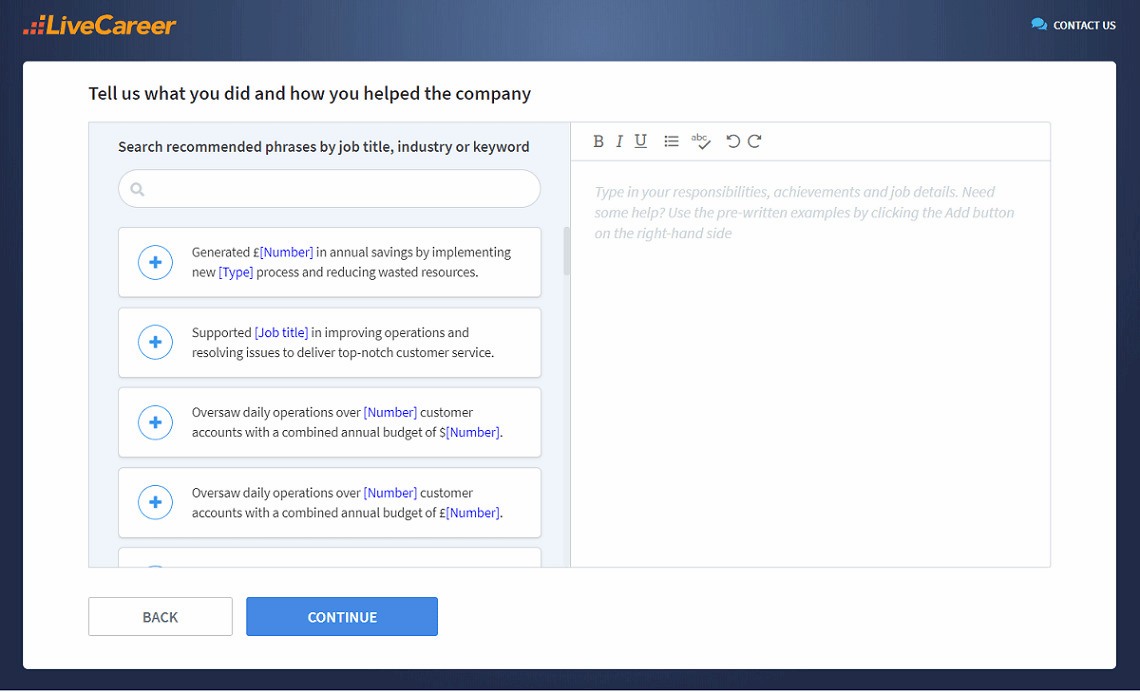
You don’t have to be a CV writing expert. In the LiveCareer CV builder you’ll find ready-made content for every industry and position, which you can then add with a single click.
Key points: Is an FTC right for you?
Before agreeing to a fixed-term contract, consider how it aligns with your lifestyle and career goals.
Ask yourself:
✅ Am I looking to pivot?
✅ Am I ready to seek a job after the contract ends?
✅ Do I have a financial safety net?
✅ Do I want to network within a specific company?
✅ Do I want a variety of short-term projects?
If you answered yes to most questions, an FTC could be right for you.
Whether you decide to start working on a fixed-term contract or not, now you know everything there is to know about the FTC. Good luck!
How we review the content at LiveCareer
Our editorial team has reviewed this article for compliance with Livecareer’s editorial guidelines. It’s to ensure that our expert advice and recommendations are consistent across all our career guides and align with current CV and cover letter writing standards and trends. We’re trusted by over 10 million job seekers, supporting them on their way to finding their dream job. Each article is preceded by research and scrutiny to ensure our content responds to current market trends and demand.
Sources
About the author
Maciej Staszek Tomaszewicz
Maciej is a certified career expert who brings over a decade of expertise in crafting tailored CVs and cover letters. He combines deep industry knowledge with a friendly, accessible writing style, aiming to empower job seekers with practical tips and insightful career advice.
Looking for a job-winning CV?
Crafting a job-winning CV is all about showcasing your unique skills and experiences. Start with a strong personal statement that highlights your career goals and achievements.
Try Our CV Builder Now