Are One-Way Video Interviews Hurting Your Job Search?
Last updated on 22 September, 2026

Danuta DetynaWriter, Professional Association of Resume Writers and Career Coaches (PARWCC)

Our customers have been hired by*:
Landing an interview at your dream company should feel exciting, but getting a link to an automated screening platform is a cold splash of water. Staring at a blank screen while a timer counts down feels like an awkward interrogation.
Here is why employers rely on one-way video interviews, and how you can navigate them to land the job.
Create an effective CV in minutes. Choose a professional CV template and fill in every section of your CV in a flash using ready-made content and expert tips.
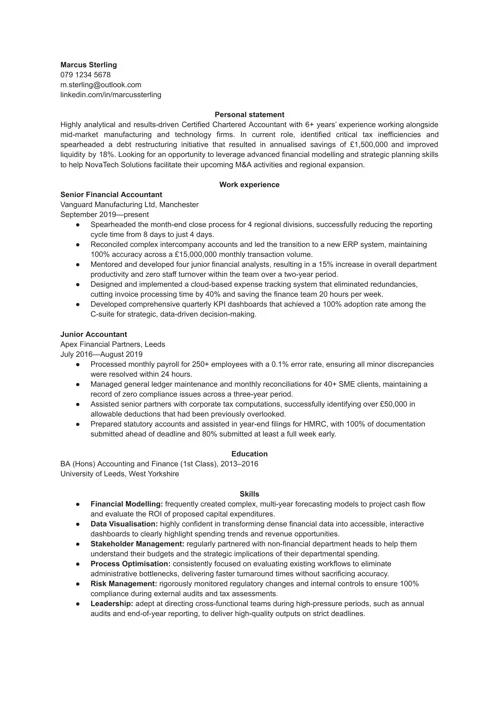
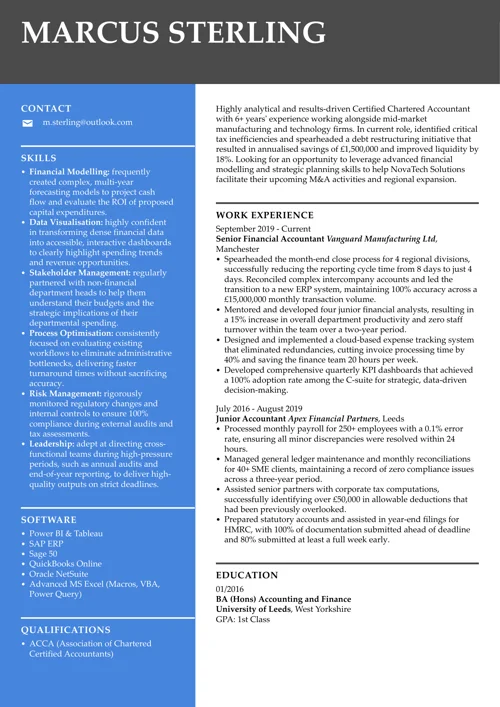
We created the sample on the left using our builder. See other good CV examples like this one.
What is a one-way video interview?
A one-way video interview (also known as an asynchronous interview, or AVI) is an automated screening process in which candidates record answers to prompt questions without a human interviewer present.
Instead of engaging in a live conversation, applicants log into a specialised platform and answer questions while speaking directly to their webcam.
For example, during a standard HireVue video interview or when using similar platforms, candidates are typically given a brief window to read a question and a strict time limit to record their answer.
Why are candidates frustrated with AVIs?
If you feel dread when asked to complete a one-way video interview, you are far from alone. In a recent poll on a popular UK jobs subreddit, over 54% of participating professionals said they actively hate the asynchronous interview format.
For many job seekers, this frustration stems from the unnatural dynamic the technology creates.
Candidates often complain the process feels like an awkward performance for a faceless algorithm. Tasks require them to manage tight on-screen time limits and convey their professional value without real-time human feedback or natural conversational flow.
Yet, if the candidate experience is so widely disliked, it raises an important question: why are companies adopting this technology so quickly?
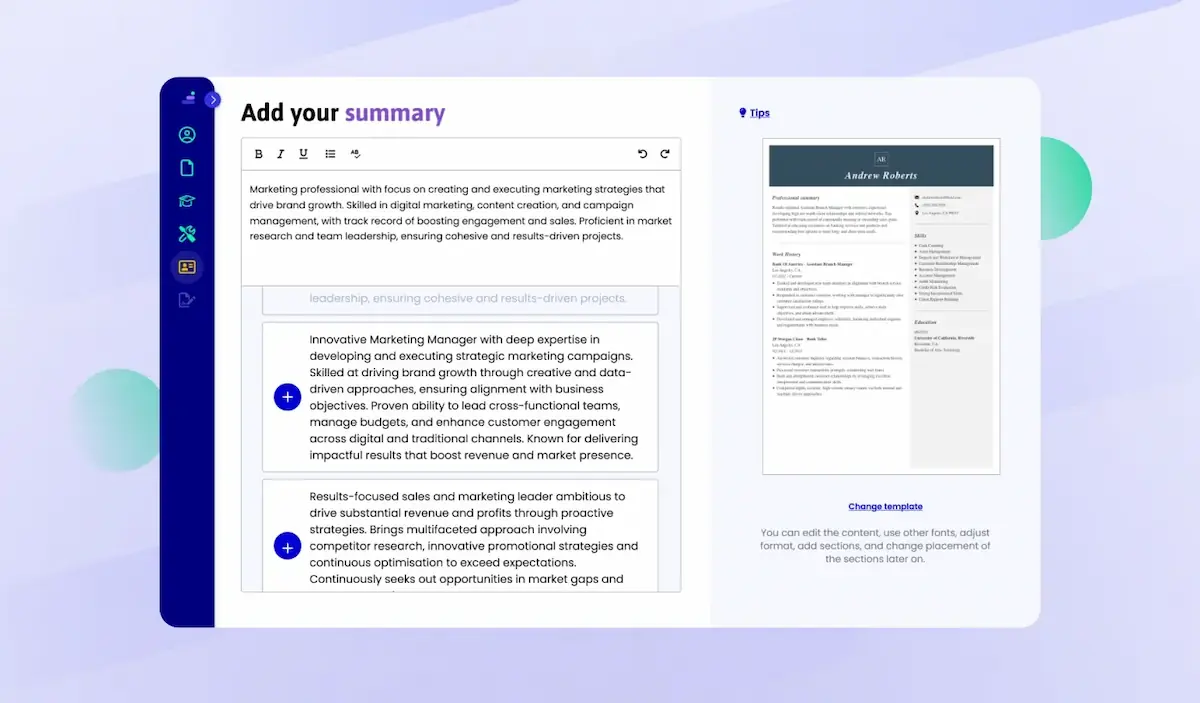
A strong CV summary will convince the recruiter you’re the perfect candidate. Save time and choose a ready-made personal statement written by career experts and adjust it to your needs in the LiveCareer CV builder.
Why are companies using one-way interviews?
To answer why companies are rapidly adopting this technology, we have to. Let’s look objectively at the sheer volume of the current job market. There are currently 2.5 unemployed individuals per vacancy in the UK, with organisations receiving a record-breaking 140 applications per open graduate position (ISE).
Faced with this unmanageable influx, HR departments simply don’t have the capacity to conduct live, initial screens for every candidate who looks good on paper. Instead, the one-way video interview is used as a necessary triage tool to process candidates at scale.
The logistical efficiency this offers to employers is undeniable. Case studies demonstrate that video screening has helped institutions conduct 61% more interviews and reach 19% more diverse talent pools.
This increase in application volume and willingness to reach more candidates is not motivated solely by efficiency. What is driving this new trend in the UK job market is the automation of the job hunt.
The impact of automated applications on recruitment
Recent industry data reveal that at least half of job seekers now use AI in their job hunt. While many use these tools legitimately to refine their cover letters, a significant portion of candidates are mass-applying to roles at an unprecedented scale.
This has lowered trust in the traditional CV and made one-way video interviews a mandatory secondary filter. It’s employers’ way of cutting through AI-generated spam to verify that there is a real, competent human behind the heavily optimised application.
However, while this solves a logistical problem for the employer, it introduces a new and dangerous set of challenges for candidates.
The unintended biases of one-way video interviews
While one-way video interviews solve a logistical headache for overwhelmed HR departments, they may introduce a significant new problem into the hiring pipeline: severe, often unchecked bias.
In a traditional, live interview, a candidate has the opportunity to build rapport, demonstrate emotional intelligence, and guide the conversation past initial visual impressions.
In an asynchronous format, that crucial human nuance is entirely lost. Without the natural flow of conversation to establish a professional connection, decisions are often made based on aesthetics.
Candidates might be evaluated on factors unrelated to their professional competence, such as image quality, appearance, home environment, or minor technical glitches.
This automated process prevents the mutual evaluation typical of traditional hiring. Without a live interviewer, candidates cannot ask questions about the role, connect with managers, or get a genuine feel for the company’s culture.
Strategic advice on handling an AVI request
When an employer asks you to complete an asynchronous video interview, it can feel like you have no choice but to comply. However, as a candidate, it’s important to remember that you maintain agency in the recruitment process.
Depending on your situation, you have two paths forward.
When to consider withdrawing?
It’s entirely acceptable to decide that an automated, one-way screening does not align with how you want to be evaluated.
If a company’s reliance on faceless screening platforms seems like a red flag, you’re well within your rights to formally withdraw your application and focus your time on employers who offer a reciprocal, two-way interview process.
Our article on common interview questions will help you prepare for your next opportunity.
How to succeed if you proceed?
If you’re highly interested in the role and decide to move forward, strict preparation is critical. The biggest mistake candidates make in one-way video interviews is treating them like a normal conversation and trying to answer questions off the cuff.
To succeed, treat the AVI more like a structured, timed presentation.
Before hitting record, anticipate standard questions and prepare short, bulleted notes. Place the notes near your webcam so you can quickly reference them without breaking eye contact.
By relying on concise bullet points rather than full scripts or improvisation, you can ensure you clearly and confidently mention your key quantifiable achievements before the timer runs out.
You can also check our complete guide about how to create a video CV.
One more way to handle the surge of asynchronous video interviews is to try and bypass the automated screening pile by presenting a flawless application from the very beginning.
Optimise your CV to avoid one-way interviews
When an employer is sifting through hundreds of identical CVs, they rely on automated video platforms to identify the real candidates. If your application blends in with the mass-applied spam, you will inevitably be pushed into the automated screening funnel.
The best way to avoid this is to prove you are a high-value candidate from the very first moment. This requires a highly targeted, perfectly formatted, and deeply authentic CV that instantly cuts through the noise.
LiveCareer’s CV maker guides you through the entire process, helping you highlight the unique human elements of your career in a clean, optimised format that stands out to reviewers.
Differentiate your application from the AI-generated crowd with a polished, professional CV to secure what you deserve: a real, two-way conversation with a hiring manager.
Navigating automated hiring can be challenging, but with careful preparation and confidence in your value, you can stay in control throughout the process. Good luck!
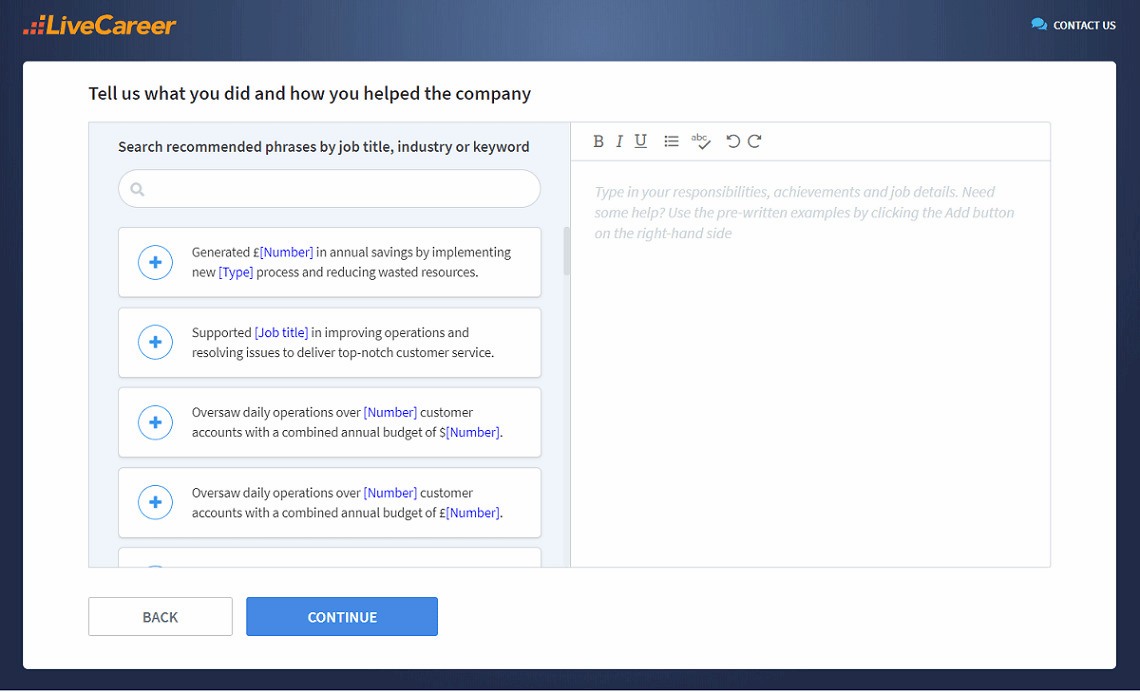
You don’t have to be a CV writing expert. In the LiveCareer CV builder you’ll find ready-made content for every industry and position, which you can then add with a single click.
How we review the content at LiveCareer
Our editorial team has reviewed this article for compliance with LiveCareer’s editorial guidelines. It’s to ensure that our expert advice and recommendations are consistent across all our career guides and align with current CV and cover letter writing standards and trends. We’re trusted by over 10 million job seekers, supporting them on their way to finding their dream job. Each article is preceded by research and scrutiny to ensure our content responds to current market trends and demand.
Sources
About the author
Danuta Detyna
Danuta Detyna is a Certified Professional Résumé Writer and career expert with over nine years of writing experience. Known for her empathetic, detail-oriented approach, she creates practical and empowering career resources that help job seekers move forward with confidence.
Looking for a job-winning CV?
Crafting a job-winning CV is all about showcasing your unique skills and experiences. Start with a strong personal statement that highlights your career goals and achievements.
Try Our CV Builder Now